
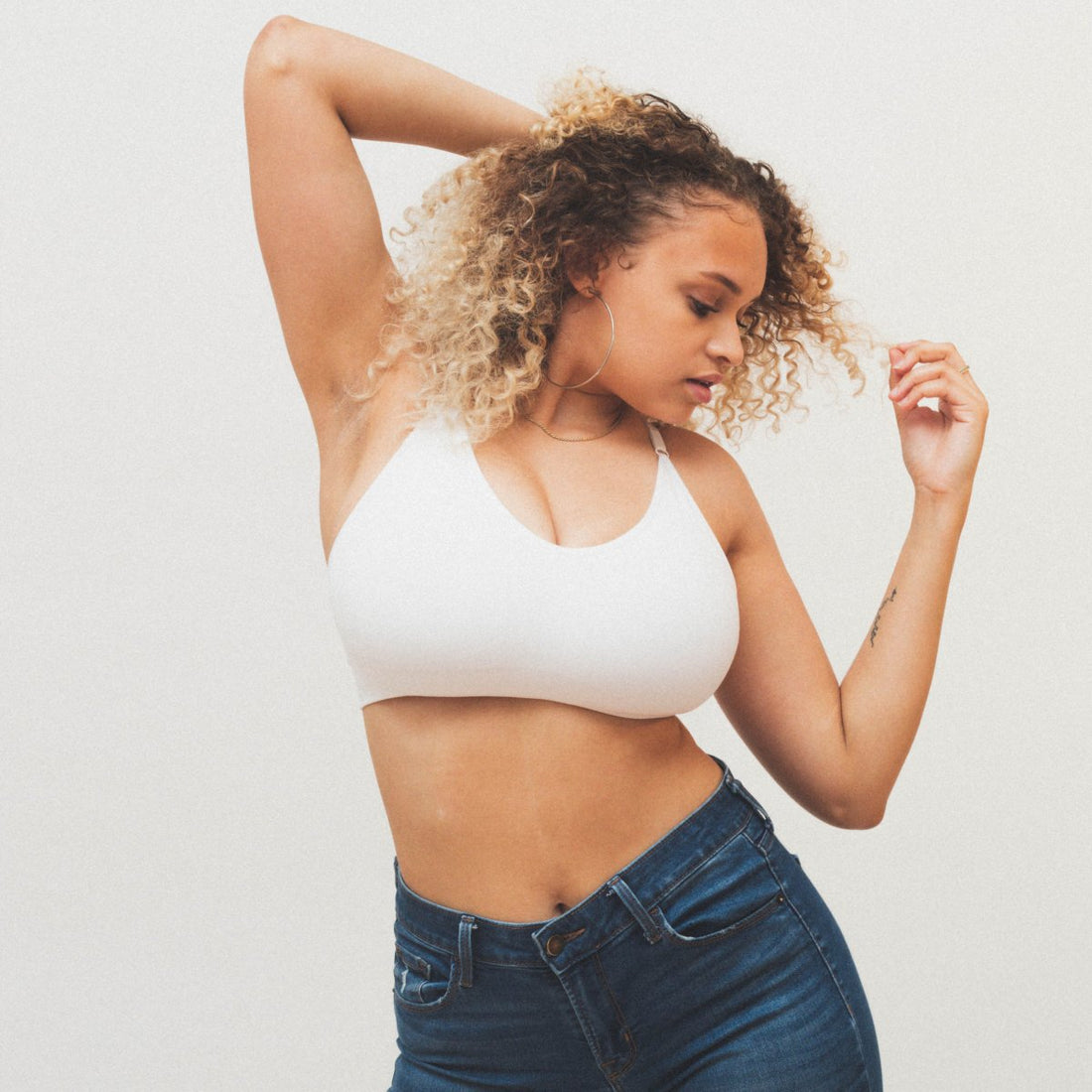
The Negative Effects of Wearing The Wrong Bra Size
How should bras fit? How do you know if a bra is too small? It's a question that has been plaguing the minds - and backs - of women for years. Trying to find your bra size has become practically an art form, and only the chosen few seem to be lucky enough to find something that really works for them and is comfortable. Almost 80% of women may be wearing the wrong bra size.
The unfortunate truth is that when women wear a bad-fitting bra, it can lead to a host of other problems that are completely unrelated to just the embarrassment of having a poorly fitting bra. From total body pain to a reluctance to exercise and more, when you aren't sure how bras are supposed to fit, it can make a huge impact on your life.
What are some of the negative effects of wearing the wrong bra size? Here are just a few:
Neck, Back, and Shoulder Pain
Choosing the wrong bra can be extremely detrimental to your neck, back, and shoulders, since that's where the weight and support are concentrated. This is more of an issue with women with larger breasts because the added weight needs the support of a bra to help manage it. Without the support of a well-fitting bra, the pain will only get worse.
The same is true for neck and shoulder pain. Because bras designed for women with larger breasts often come with wide straps to help support the weight, these wide straps will dig into women's shoulders, causing shoulder and neck pain.
Even a properly fitted bra might not eliminate all of the neck, back, and shoulder pain you're feeling. If that's the case, speak with a doctor about your options. Speak with a medical professional before making any decisions.
Rib Cage Pain
An ill-fitting bra can even cause rib cage pain. The band of your bra sits directly on top of your rib cage, making a bad-fitting bra a potential source of discomfort. If the band is too tight, it may feel constricting; if it's too loose, you won't get the support you need.
One way to combat this is to know how your bra band should sit: parallel to the floor, not riding up even when you lift your arms above your head, with a little bit of wiggle room underneath - about three fingers or so.
Underwire bras are typically the biggest culprit causing excessive rib cage pain. Fortunately, our BRABAR bra selections don't contain underwire - instead, they're a stretchy fabric knit with cup support.
Poor Posture
Back, neck, and shoulder pain can contribute to poor posture, as many people tend to hunch when they're in pain to try to alleviate that pain. As a result, your back, neck, and shoulders hurt even more.
A Reluctance to Exercise
An ill-fitting bra doesn't directly cause a reluctance to exercise, but it can be one of the factors women reference for skipping the gym, walks, or runs. Good, regular exercise is an important part of physical health, and finding a well-fitting bra removes one more barrier to staying active.
Breast Skin Damage and Breast Pain
A lack of support in your bra can cause damage to the skin of your breasts, often shown in stretch marks - larger breasts especially need that support. Underwire bras that don't fit properly can dig into your skin and, should the fabric wear down enough, can poke you. A band, straps, or cups that are too tight can cut into your skin and cause chafing from constant contact and rubbing.
Sometimes simple adjustments fix the issue - like adjusting the straps or the band - but others may be a result of the style or general size. If you're experiencing these issues consistently, it may be time for a new bra style or size.
How to Know if Your Bra Doesn't Fit
The fit can change between styles and brands, but here are a few key signs your bra isn't fitting as well as it should:
- The cups are visibly wrinkled
- The band does not sit parallel to the floor and is consistently riding up
- You experience spillage, meaning your breasts overflow from the cups
- Your straps are consistently too tight or too loose
- The underwire pokes you constantly and is consistently painful
BRABAR's Style Guide and Comfortable Bras
When you're trying to figure out your bra size, let BRABAR help. Our EZ-fit guide is a simple, at-home way to determine what fit is best for you: measure your ribcage directly under the bust and round to the nearest even number for your band size, then measure your fullest bust and subtract your band measurement to determine your cup size. If you're feeling unsure, speak with a professional to get a proper fitting.
Here at BRABAR, we're proud to offer several styles designed with both comfort and support in mind, including our Everyday Bra, HUG Lace Halter Bra, and Cotton Stretch Rib Racerback Bra - all built for long wear without the negative effects other bras may have.
Wearing the wrong bra size can lead to several negative effects: back, neck, and shoulder pain; skin irritation and chafing; poor posture; breast discomfort from a cup that's too small or a band that's too large; and even tension headaches from straps digging into your shoulders.
Consider the style and design: Bras for Girls | Teenage Bralette | Sports Bras | Halter Bras | Juniors Bras | Cup Sizes AA, A, B, C, D, DD.
Different styles offer different levels of support and coverage, so choose one that matches your preferences and activities - a sports bra for active girls, or a bralette for everyday comfort. Consider adjustable straps, closures, and padding or wire-free construction to find the bra that fits well and meets your individual needs.
Was this helpful? Star BRABAR on Google to catch every fit guide first.