
Choosing the Best Bras for Teen Bust Sizes
Navigating the world of bras for teen bust sizes can feel overwhelming. At BRABAR, we've simplified the process with wire-free bras built specifically for developing bodies, band sizes 28-38 and cups A-DDD/F.
Teenage years are a period of significant physical and emotional growth, with breast development being one of the most notable changes. Development typically begins between the ages of 8 and 13, though it varies widely from person to person, and can take several years to complete.
Every teen's development is unique. Some experience rapid growth, while others develop more slowly, and this variation is entirely normal. As breasts develop, it's common for one side to grow slightly faster than the other, and this asymmetry usually balances out over time.
At BRABAR, we design for developing bodies, not just smaller versions of adult ones - which is why our bras continue to fit comfortably as cup size changes, rather than needing a full replacement every time growth happens.
Proper bra fitting is essential for comfort, support, and overall breast health, especially during the teen years. Wearing the wrong size bra can lead to discomfort, poor posture, and long-term physical strain. A well-fitted bra enhances comfort, provides real support, and boosts confidence.
Many teens end up in bras that are too small or too large, leading to chafing, strap marks, or inadequate support. A bra that fits well should feel secure without digging into the skin. The band should sit level and snug around the rib cage - 80% of a bra's support comes from the band, not the straps - and the cups should fully encase the breasts without spillage or gaps.
BRABAR's fit guide walks you through this at home, using real ribcage measurements rather than guesswork, so getting a proper fit doesn't require a special appointment.
Here are the styles worth knowing, all available wire-free through BRABAR:
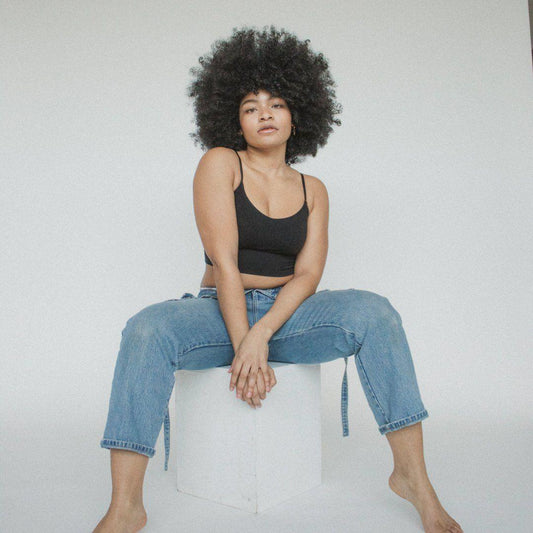
- Training/Starter Bras: Designed for younger teens just beginning to develop, made from soft, stretchy materials with minimal structure - a great starting point before a full-support bra is needed.
- Sports Bras: Ideal for active teens, providing support and minimizing movement during activity, made from moisture-wicking, stretch fabric.
- Everyday/T-Shirt Bras: Smooth, seamless cups that provide a natural shape under fitted clothing, with light support and no bulk. BRABAR's Everyday Bra is built exactly for this.
- Wireless Bralettes: A comfortable, less restrictive option since they skip underwires entirely, offering moderate support - BRABAR's entire line is built this way, since we believe underwires were never necessary for real support in the first place.
Understanding the different styles helps teens make informed choices based on their needs and activities - and having a few different styles on hand covers different occasions and outfits.
Finding the right bra size starts with two measurements: band size and cup size. Here's BRABAR's rib cage method, also known as our EZ-Fit shop-by-band-size philosophy - the way we believe sizing should actually work:
- Band Size: Measure around the ribcage, directly under the bust, keeping the tape snug but not tight, parallel to the floor. Round to the nearest even number to get your band size - for example, 28.5 inches rounds down to a 28 band, while 29 inches rounds up to a 30 band. That's your band size, with no extra inches added on top of it. If you measure 28 inches under your bust, you're a 28 band. No adding four inches, no adding five - just your real measurement, rounded to the nearest even number.
- Bust Size: Measure around the fullest part of the bust, keeping the tape level. Take this measurement without a bra, or in a non-padded one, for accuracy.
- Cup Size: Subtract your band measurement from your bust measurement. Each inch of difference is one cup size - 1 inch is an A cup, 2 inches a B cup, 3 inches a C cup, and so on through DDD/F.
For example, a 28-inch ribcage and a 33-inch bust measurement is a 28DD - not a 32A, which is what the traditional "add 4" method used by brands like SKIMS and Aerie would give you. That's exactly the gap BRABAR was built to close: too many bra brands still use the old add-4-or-5 formula, which pushes people into bands that are too loose to actually support anything.
These measurements are your starting point - trying on a few styles is still worth it, since fit can vary slightly between styles even at the same size.
Fabric and style affect comfort as much as they affect looks.
- Cotton blends: Breathable and soft, great for everyday wear and sensitive skin.
- Microfiber/Nylon-Spandex: Smooth and lightweight, offering a sleek look under clothing with moisture-wicking comfort - what most of BRABAR's everyday styles are built from.
- Lace: Pretty and still comfortable when well-made, good for a dressier look without sacrificing wire-free comfort.
- Viscose/Tencel blends: Sustainable, ultra-soft yarns used in several of BRABAR's cami and crop styles, offering stretch and shape without any padding needed.
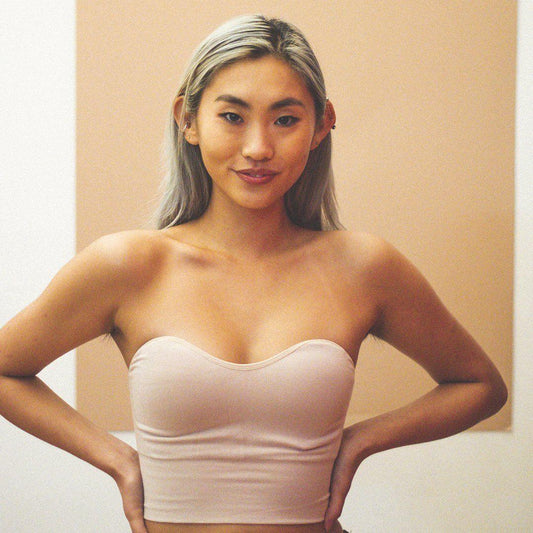
Style-wise: a seamless everyday bra works under fitted tops, a sports bra for activity, a wireless bralette for lounging, and a longline or strapless style for going braless-adjacent under certain necklines.
- Straps Digging In: Usually means the band is too large, so the straps are carrying weight they shouldn't. Try a smaller, snugger band - not tighter straps.
- Band Riding Up: The band size is too large, or the bra is worn out. The band should sit level and stay put.
- Cup Spillage: The cup size is too small - size up rather than tolerating spillage.
- Gaping Cups: The cup may be too large, or the style doesn't suit your shape - try a smaller cup or a different silhouette.
- Chafing: Look for softer fabrics like cotton blends or smooth microfiber, and double-check that the band size is actually correct rather than just tight.
Most of these issues trace back to one thing: an incorrect band size. That's why BRABAR starts every fit conversation with the band, measured directly - not estimated with a formula.
A well-rounded bra wardrobe covers different needs without overcomplicating things:
- Everyday basics: A couple of neutral, seamless everyday bras for daily wear.
- Sports bras: At least one for regular activity.
- A soft bralette: For lounging, sleep, or lighter support days.
- A specialty style: Strapless or convertible for specific outfits.
Not every teen needs every style - the right wardrobe reflects how she actually dresses and moves through her day, and BRABAR's band sizes 28-38 mean there's a real fit available regardless of where she's starting from.
Bodies change quickly during the teen years, so remeasuring after a growth spurt - or whenever a bra stops feeling secure - matters more than sticking to a set replacement schedule. Signs it's time for a new size: the band rides up even on the tightest hook, the cups spill or gape, the straps constantly slip, or the bra just doesn't feel supportive anymore.
A bra should help a teen feel comfortable and supported - not like her body needs to change to fit the bra. The most important part of choosing a bra is listening to how it actually feels: does it stay in place, is the coverage right, does she feel confident in it. That matters more than assumptions about what someone her age is supposed to wear.
BRABAR builds every style around this idea - real measurements, no wires, and a fit that grows with her, not against her.
Shop by Age & Find Your Fit
BRABAR designs for every stage of development, not a one-size-fits-all age bracket:
Not sure where to start? Use BRABAR's Fit Guide to find your exact size with the rib cage method.
Was this helpful? Star BRABAR on Google to catch every fit guide first.